

From Mars to new materials: UAE expands space frontiers in 2026
National roadmap accelerates space economy growth and global competitiveness goals
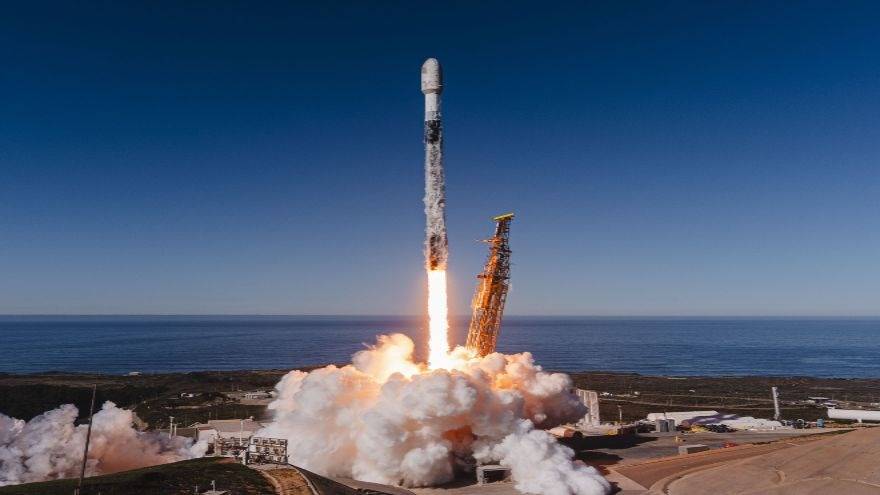
DUBAI – The United Arab Emirates continues to reinforce its position as a rising global force in the space sector in 2026, marked by expanding scientific missions, technological progress and long-term economic planning.
National initiatives are aligning with international milestones to highlight the country’s growing contribution to space exploration and research.
With a clear focus on innovation, collaboration and infrastructure development, the UAE is accelerating efforts to strengthen its space economy and scientific output.
National Space Strategy
The UAE’s long-term direction is guided by the National Space Strategy 2031, which aims to significantly expand the sector’s contribution to the national economy. The strategy focuses on building a resilient and investment-attractive ecosystem, enhancing global partnerships and improving market access, alongside developing advanced infrastructure and facilities.
Key objectives include doubling space economy revenues and positioning the UAE among the world’s top 10 space economies by 2031. The framework also targets increased economic contribution from the sector, alongside a broader expansion in the number of national companies, export destinations and space-related investments.
Int’l Day of Human Space Flight
The country will join the world on 12th April in marking the International Day of Human Space Flight, a date that aligns with the UAE’s continued emphasis on human advancement in space exploration.
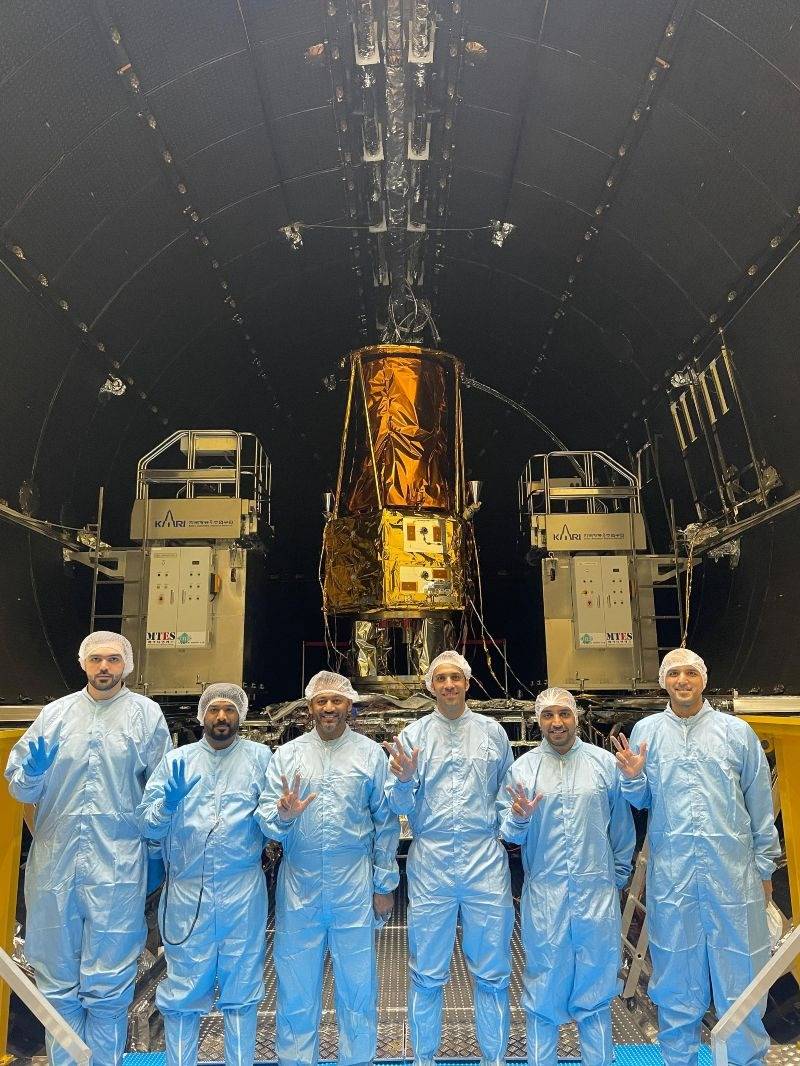
The occasion underscores the nation’s commitment to supporting scientific discovery and global cooperation in the sector, reflecting its integration into wider international space milestones.
Satellite fleet
The UAE’s space capabilities have expanded significantly, with 30 satellites developed to date, reflecting sustained investment in orbital technologies and data systems. More than 170 entities are now active within the national space economy, contributing to research, engineering, operations and commercial applications.
This growing ecosystem highlights the UAE’s strategy of integrating public and private sector participation, strengthening both innovation capacity and industrial scale in space-related activities.
Mars mission
The UAE’s Mars Probe mission has been extended until 2028 following its operational success and continued scientific output. Since its launch, the mission has generated more than 10 terabytes of data, providing detailed insights into the Martian atmosphere and climate.
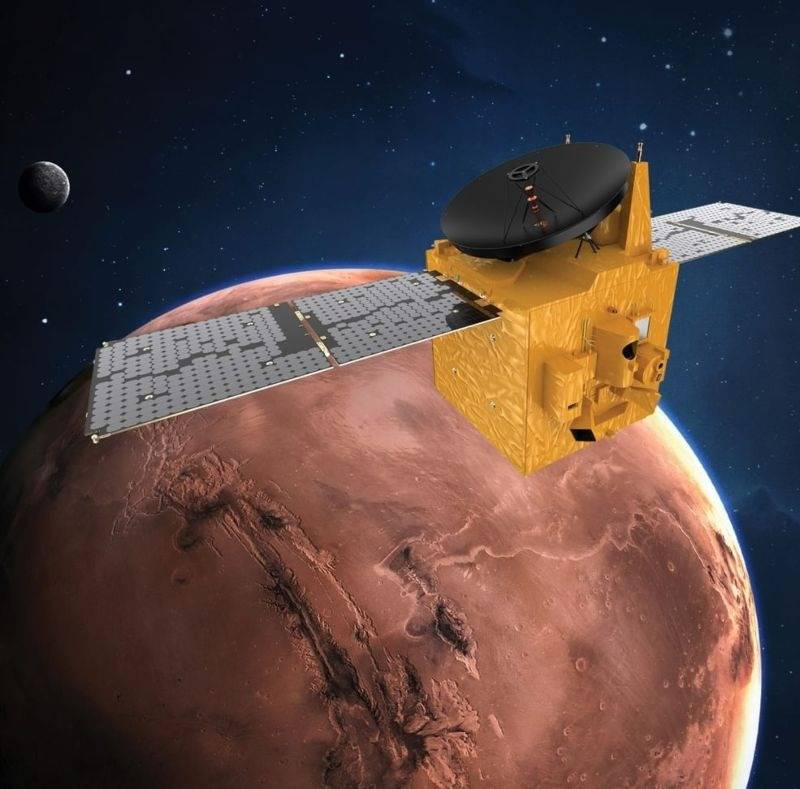
It has also delivered around 16 data releases for the global research community and contributed to more than 35 peer-reviewed studies, reinforcing the UAE’s role in international planetary science collaboration.
Earth observation
In January, the Mohammed Bin Rashid Space Centre released new high-resolution images captured by the MBZ-SAT satellite, marking one year since its deployment. The satellite continues to enhance Earth observation capabilities, supporting applications in environmental monitoring, urban planning and resource management.
The imagery reflects growing precision in national satellite systems, contributing to both scientific research and practical decision-making tools.
Sharjah expansion
March saw the issuance of a decree establishing the Sharjah Space and Astronomy Complex, strengthening the UAE’s institutional framework for space science and research. Alongside this development, the CubeSat Sharjah Sat-2 was launched, designed to deliver high-resolution spectral data to support scientific analysis and strategic applications.
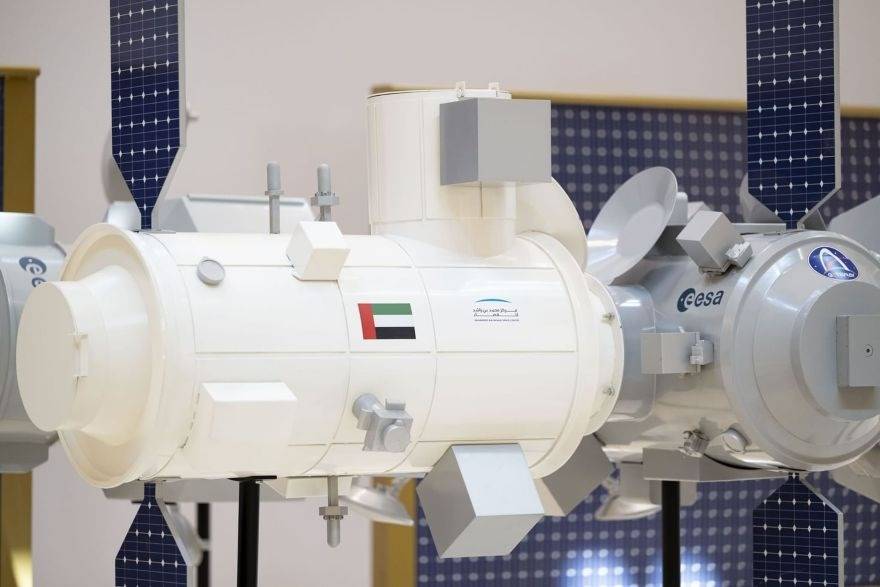
These initiatives highlight the growing role of emirate-level participation in advancing national space capabilities and research infrastructure.
Research breakthrough
In scientific developments, an international team led by New York University Abu Dhabi in collaboration with Jilin University in China discovered a new type of organic crystal capable of self-repair at extremely low temperatures. The breakthrough opens potential pathways for developing durable, lightweight materials suitable for extreme environments on Earth and in space.
The finding contributes to broader materials science innovation, with potential applications in future spacecraft design and advanced engineering systems.
Youth innovation
The National Space Academy launched the first edition of the Arab Youth Space Hackathon, creating a platform for young innovators to develop applications in Earth observation and hyperspectral data. The initiative aims to nurture emerging talent and strengthen regional participation in space technology development.
The programme reflects a wider push to integrate youth-driven innovation into the UAE’s expanding space ecosystem.